Know what you are working with.
Plain-language guides to every peptide family we carry. What each group is studied for, how the compounds are classified, and how to handle them in the lab. Everything on this page is for laboratory research use only.
What a research peptide is.
A peptide is a short chain of amino acids, the same building blocks that make up proteins. A research peptide is a peptide produced for study in a laboratory setting, not for human or animal use. Researchers use these compounds to look at how a given sequence behaves in cell cultures and other in-vitro models.
- Every compound we list is sold strictly for in-vitro laboratory and analytical research.
- Nothing here is a drug, food, cosmetic, or dietary supplement.
- We list some compounds under research codes rather than any drug brand name.
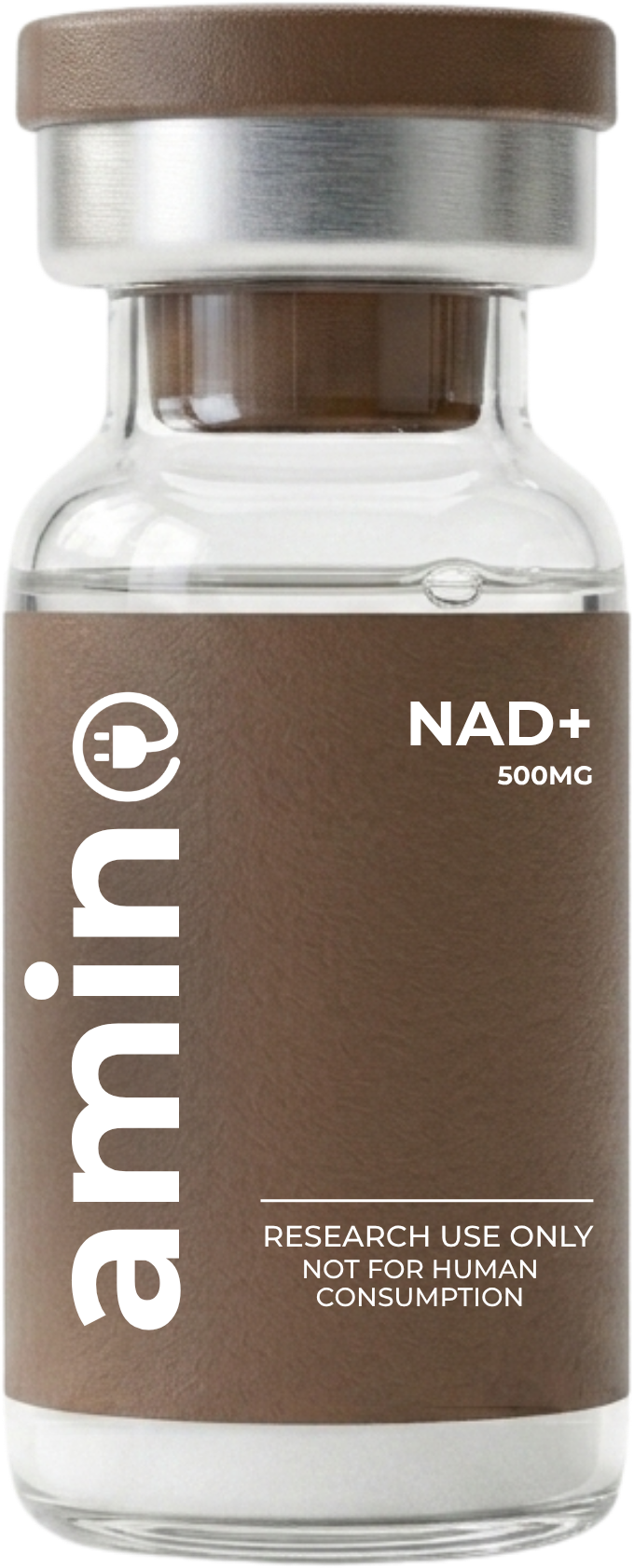
Four research families.
We group every compound into one of four families so researchers can find related material fast. Each family lines up with a different area of study, from tissue repair to cellular energy. The sections below explain each one in plain terms.

Tissue repair and recovery.
The regenerative family groups the compounds researchers study for their role in tissue repair, connective-tissue support, and recovery signaling. Work in this area often looks at how a peptide influences the cells involved in healing and structural maintenance.
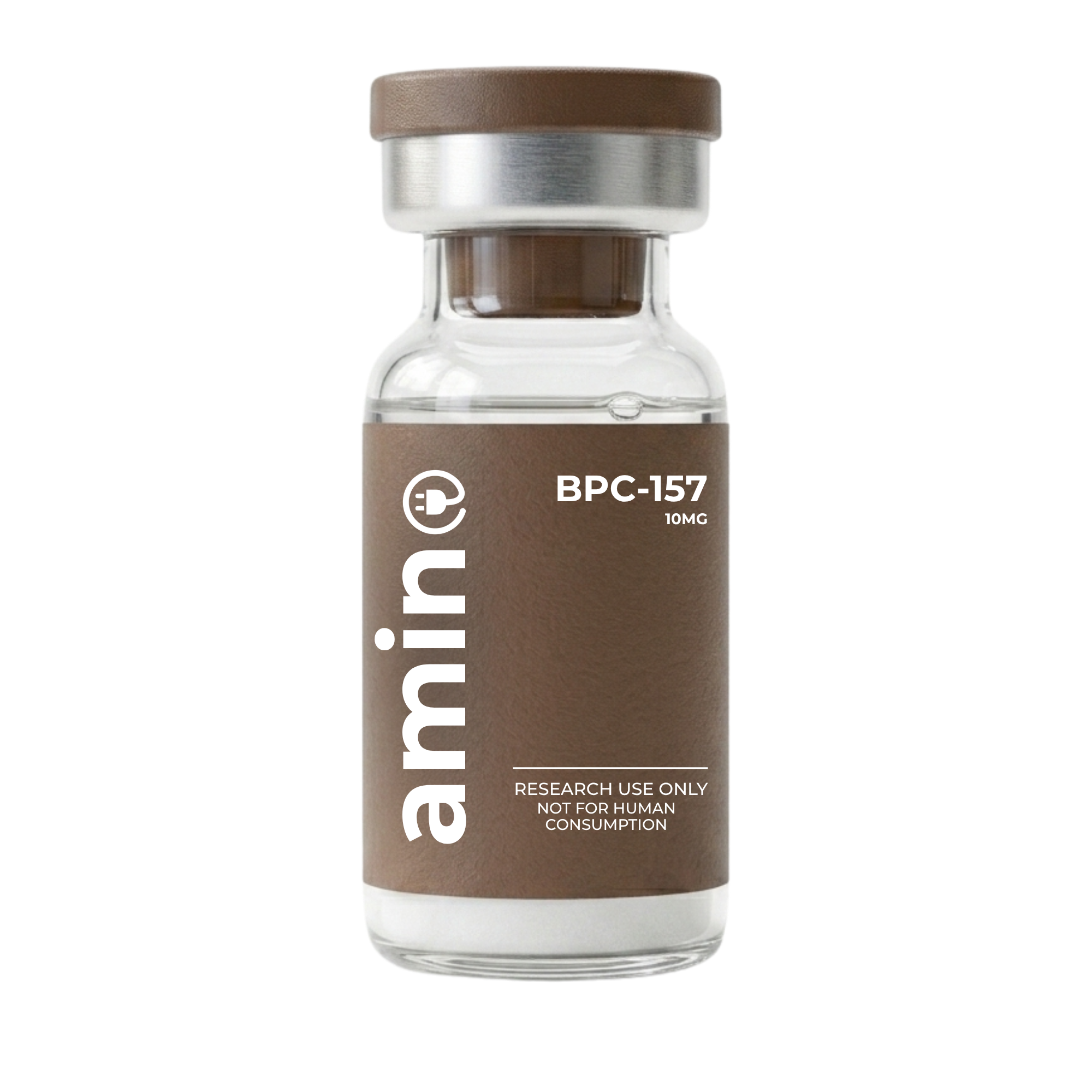
Body composition and metabolic signaling.
The metabolic family covers compounds studied for their effect on metabolic signaling and body-composition research. This family includes our coded incretin-class compounds, which we list under research codes (GLP-2TZ and GLP-3RT) rather than any drug brand name.
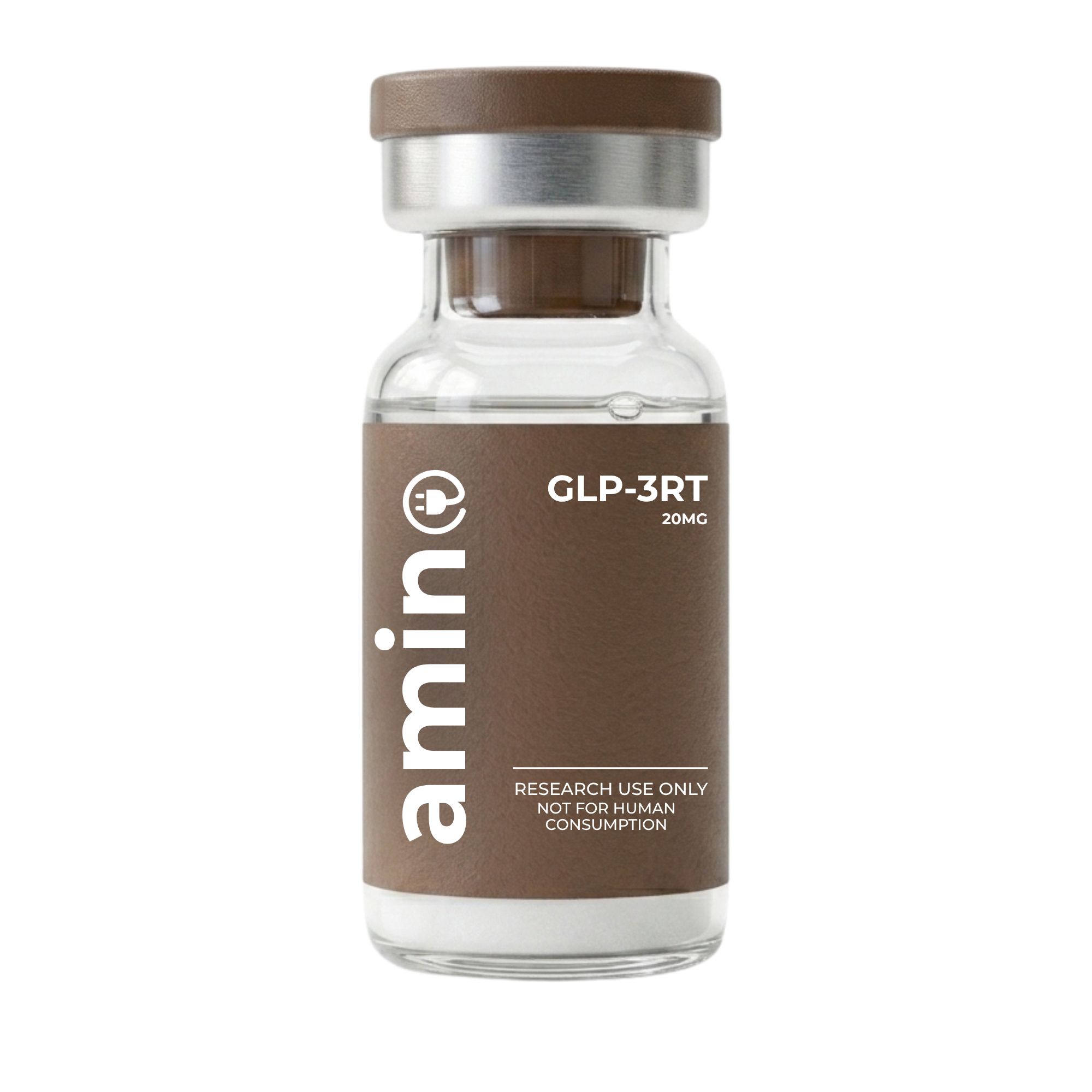
Cellular energy and longevity.
The mitochondrial family groups compounds studied for their role in cellular energy, mitochondrial function, and longevity research. Work here often centers on how a compound interacts with the energy machinery inside the cell.
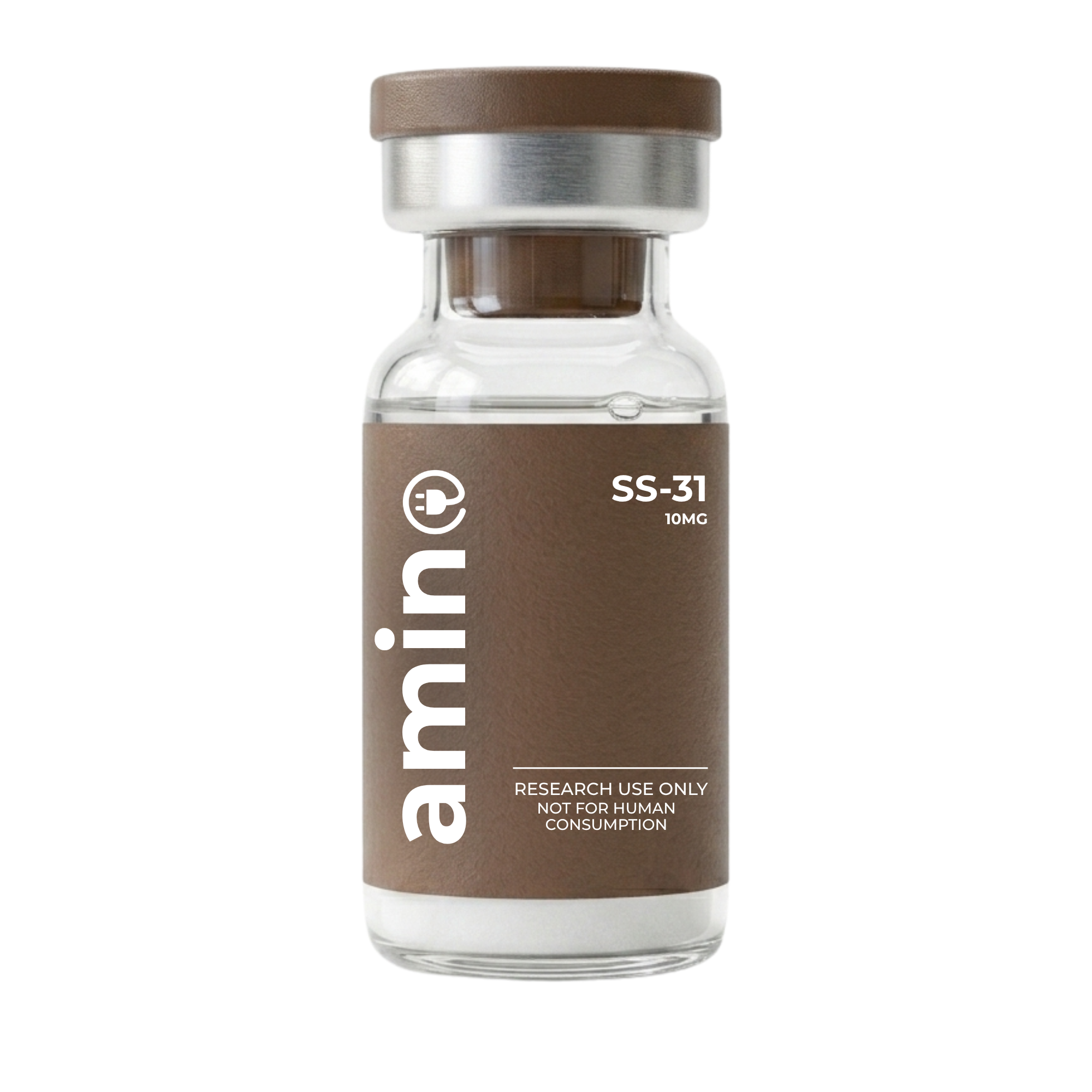
Cognition and stress signaling.
The neuropeptide family covers compounds studied for their role in cognition, focus, and stress-response signaling. Research in this area looks at how short peptide chains interact with pathways in the nervous system.
How compounds are named and grouped.
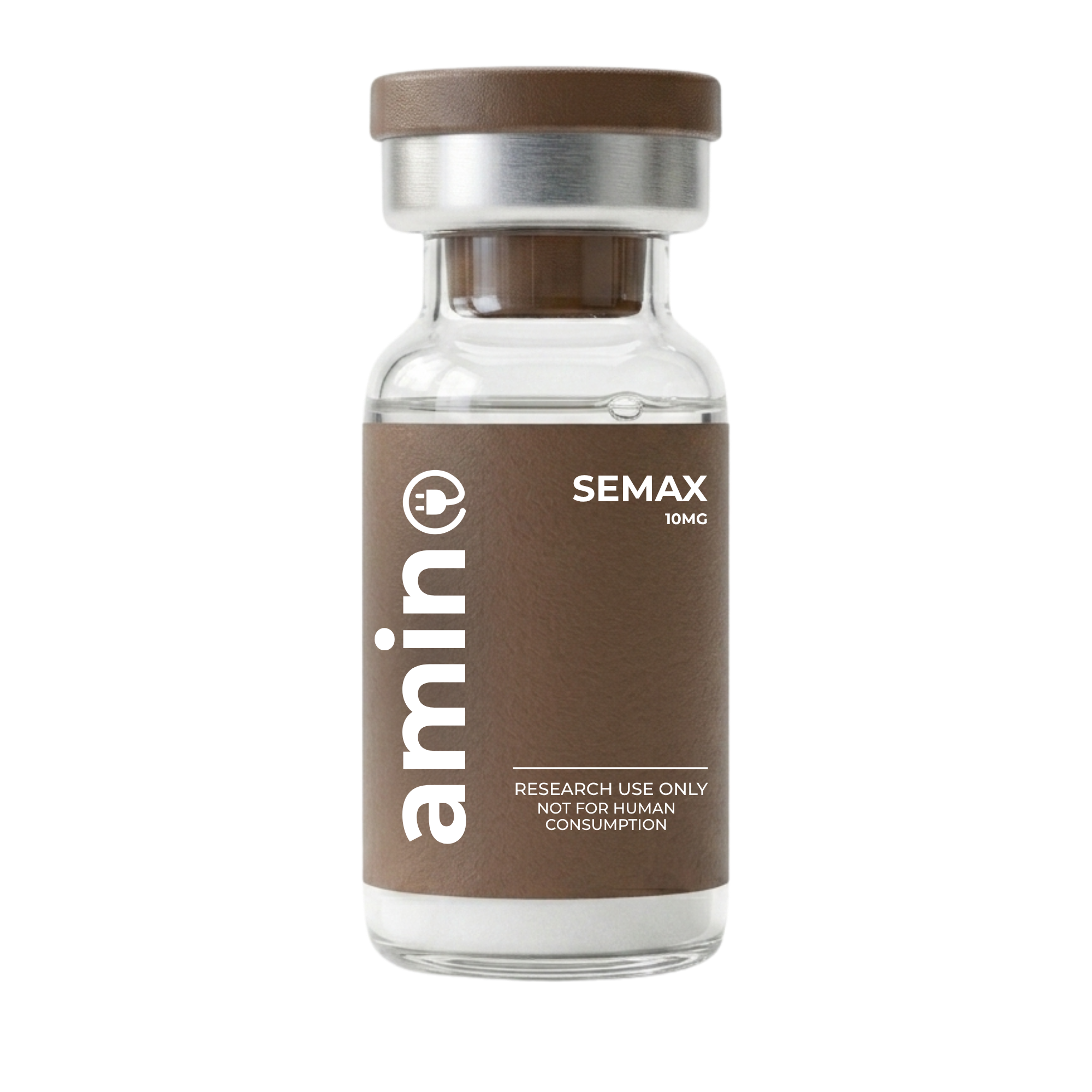
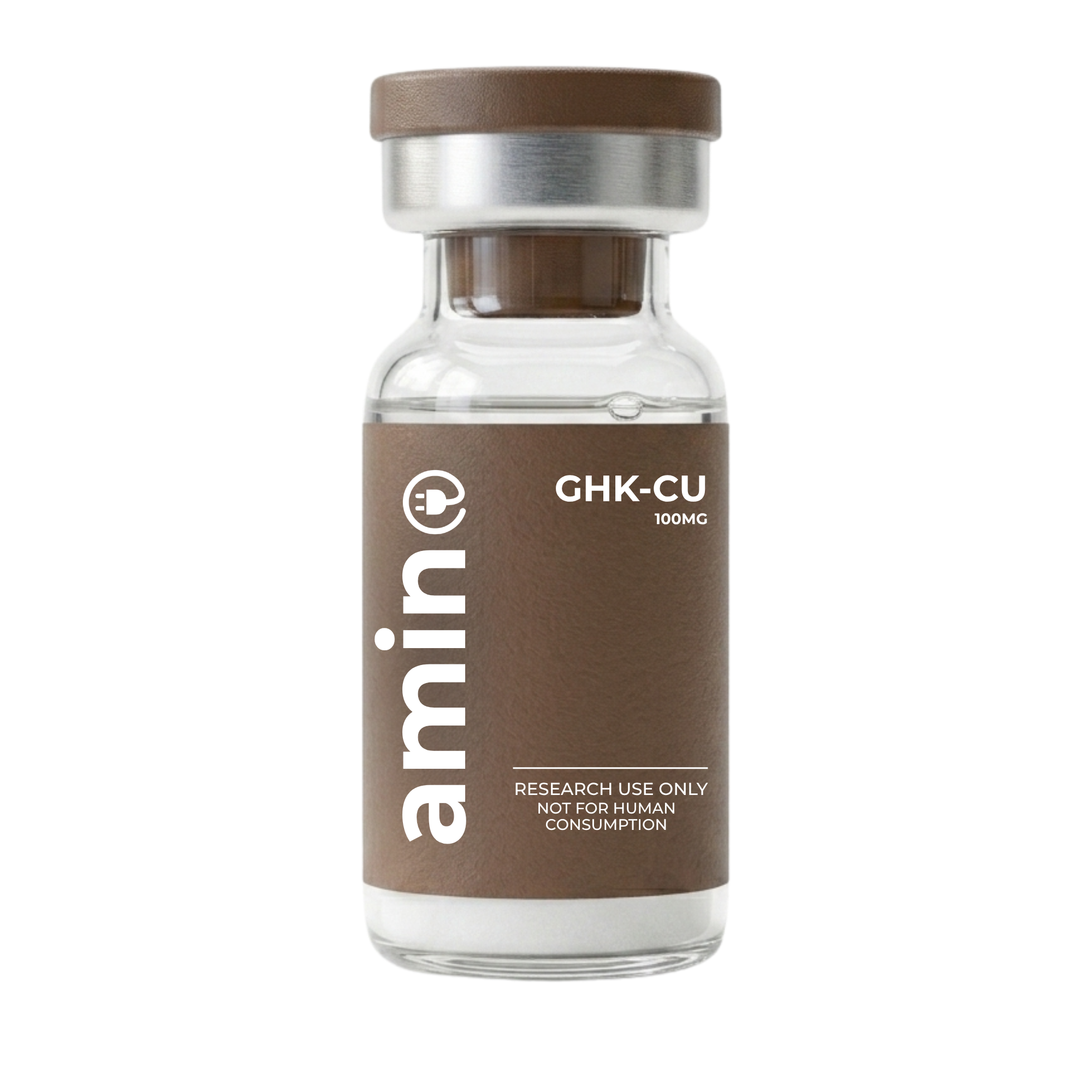
We classify each compound by the research family it fits, then label the vial with the compound name, the fill size in milligrams, and the batch number.
- Full peptide names are written out on first use, with the acronym in parentheses (for example, BPC-157 is Body Protecting Compound 157).
- Some incretin-class compounds are listed under research codes (GLP-2TZ and GLP-3RT). The code identifies the compound without using a drug brand name.
- Blends list every compound they contain so you can see exactly what is in the vial.
Safe handling and storage.
These are research materials for trained laboratory personnel. Handle and store them the way you would any reference compound.
- Store sealed vials cold and out of direct light.
- Keep each vial sealed until you are ready to work with it.
- Follow your own lab protocols for handling, labeling, and disposal.
- Restrict handling to trained research personnel and keep material out of reach of anyone not qualified to work with it.
Where to dig deeper.
Independent, authoritative US sources for anyone researching peptides. We do not control these sites and link to them for reference only.
PubMed
The US National Library of Medicine index of biomedical research literature.
pubmed.ncbi.nlm.nih.gov →ClinicalTrials.gov
The NIH registry of clinical studies run in the US and worldwide.
clinicaltrials.gov →PubChem
The NIH open chemistry database for compound structures and properties.
pubchem.ncbi.nlm.nih.gov →UniProt
A curated protein sequence and function knowledge base used by researchers.
uniprot.org →NCBI
The National Center for Biotechnology Information, the hub for NIH research databases.
ncbi.nlm.nih.gov →U.S. FDA
Federal regulatory information on drugs, safety, and enforcement.
fda.gov →
 Ready to browse
Every family, one catalog.
Pick a family above or open the full catalog to see every reference-grade vial we carry.